
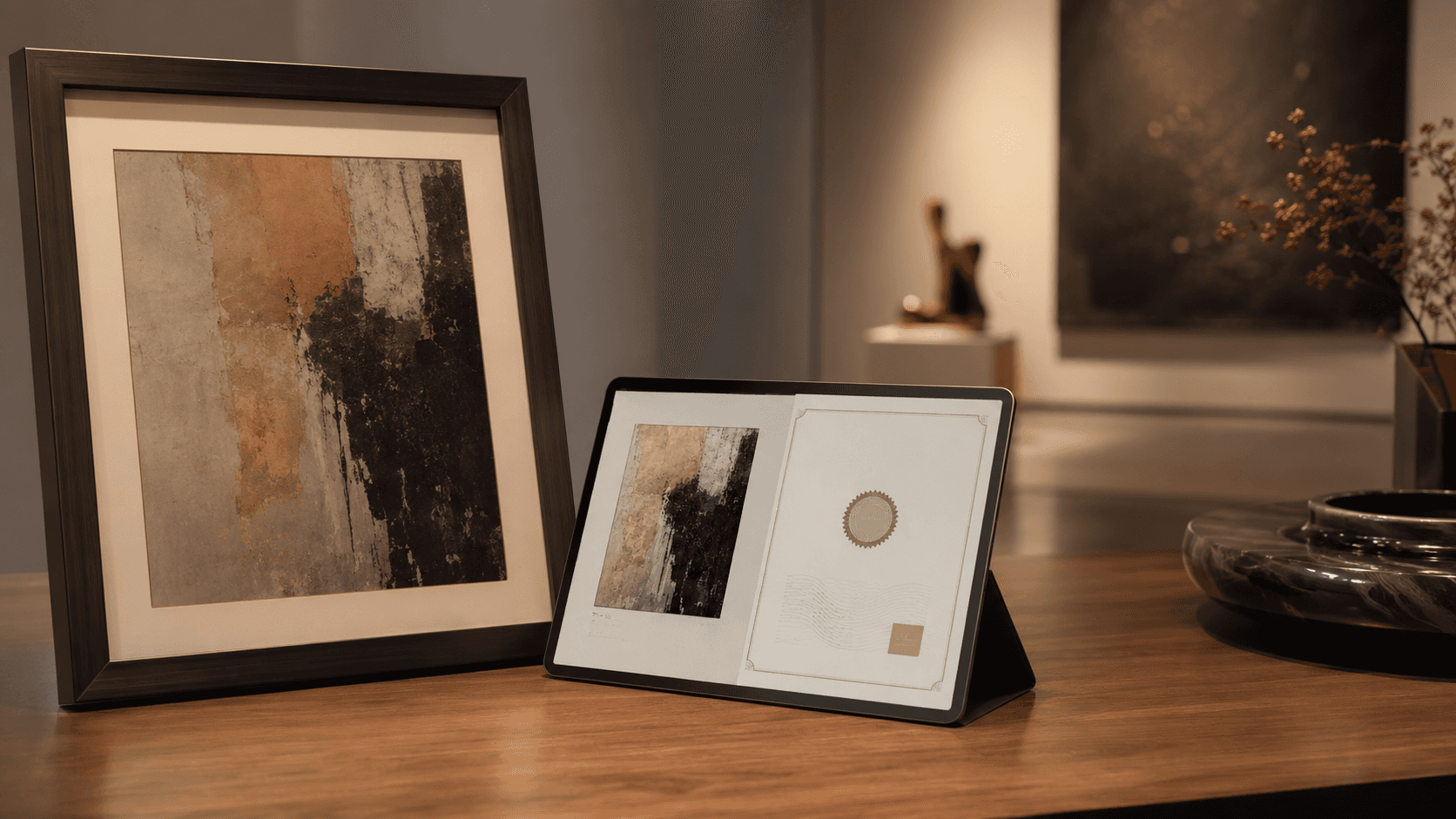
Key Takeaways
Authentication is about verification, not appearance
Provenance strongly affects trust and value
Materials and records can expose forgeries
AI increases the importance of reliable provenance
A work can look right and still be wrong. Especially in this now blooming AI era.
On the other side, AI can be an ally to detect forgeries too. For example, already in 2022, a Swiss AI company said a Titian painting in Zurich had a high probability of being fake, while the museum maintained its attribution.
Leaving AI stuff aside for now, the point is simpler: even famous works can become uncertain when new evidence appears.
So let’s explore why authentication is just not one certificate, but rather, the evidence around the object.
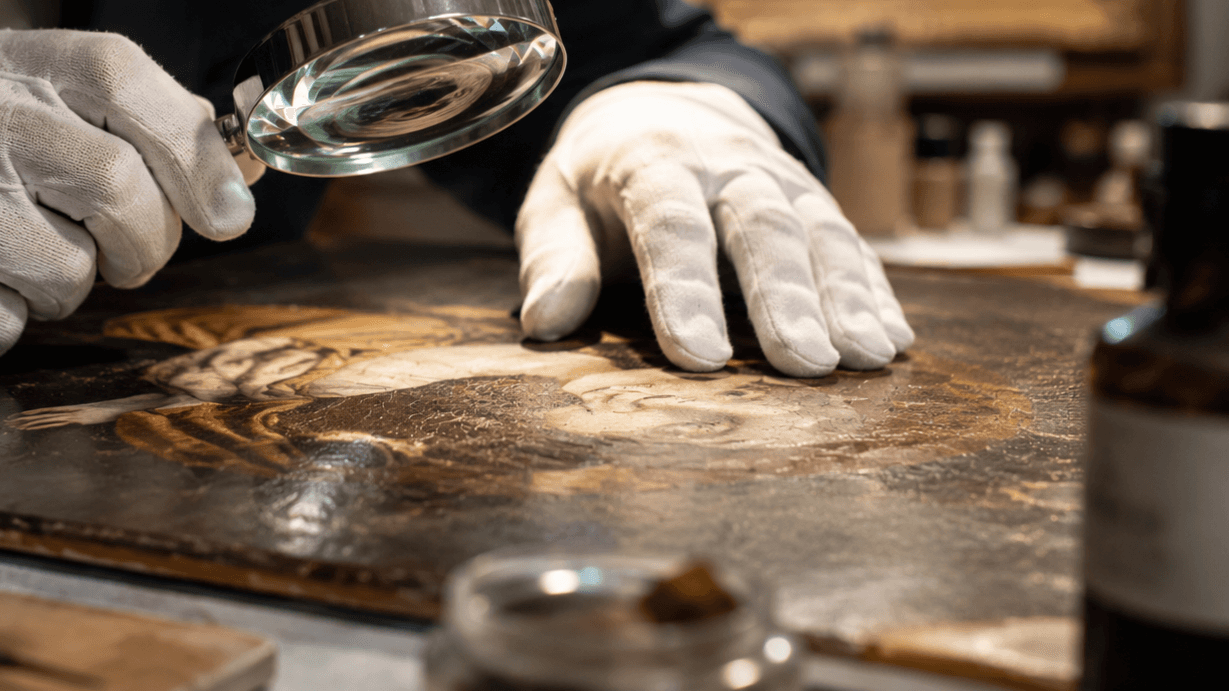
Even at first it might sound counter intuitive, “authentic” can mean several different things. For example, a painting may be genuine, but maybe it has been heavily restored. A watch may be real but contain replacement parts, or a signed object may be authentic while the signature is not. So here’s a list of things you should try to verify, some obvious, some others not so much:
Verify | Because it affects |
Authorship | Whether the object is from who it claims to be |
Materials and date | Whether the story is historically possible |
Edition or serial number | For scarcity and market value |
Condition | Insurance, appraisal, and resale values |
Provenance | Trust in the object’s history |
Legal title | Whether it can be sold safely |
Because of these several different aspects, the useful question is not “Is it real?”, but rather, “What exactly has been proven?”
Provenance Is the Object’s Memory
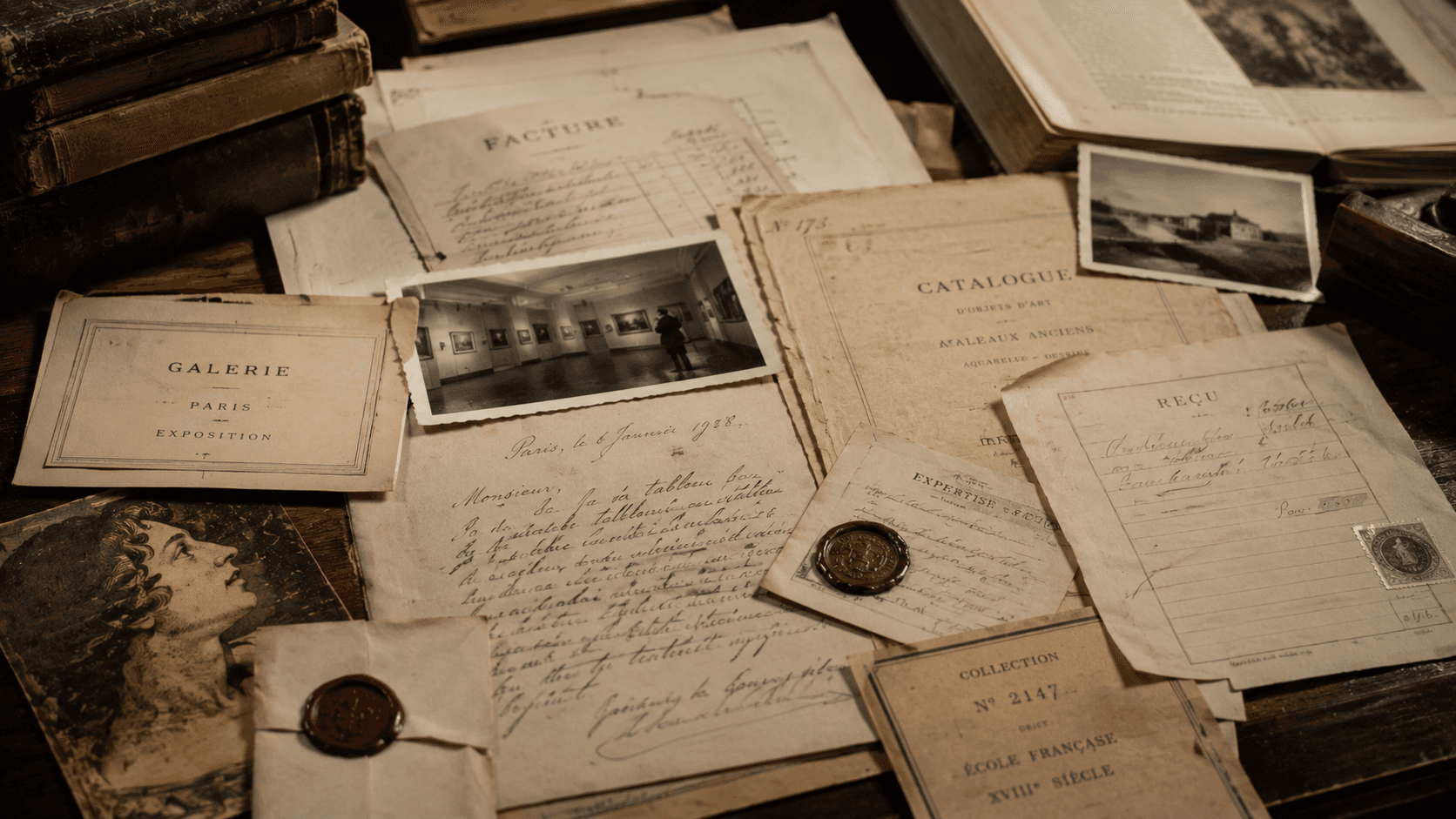
In simple terms, provenance is the documented history of ownership, sale, exhibition, and custody. It can include invoices, gallery records, auction catalogues, exhibition labels, photographs, insurance files, and conservation reports. Basically, anything that can be used to track the item in question.
While weak provenance does not always mean fraud, more often than not it does mean risk.
It depends on the piece itself, but for example:
Weak point | Risk |
Missing invoice | Harder resale |
Ownership gaps | Legal or authenticity doubts |
Vague “private collection” story | Lower trust |
No exhibition or auction record | Weaker market recognition |
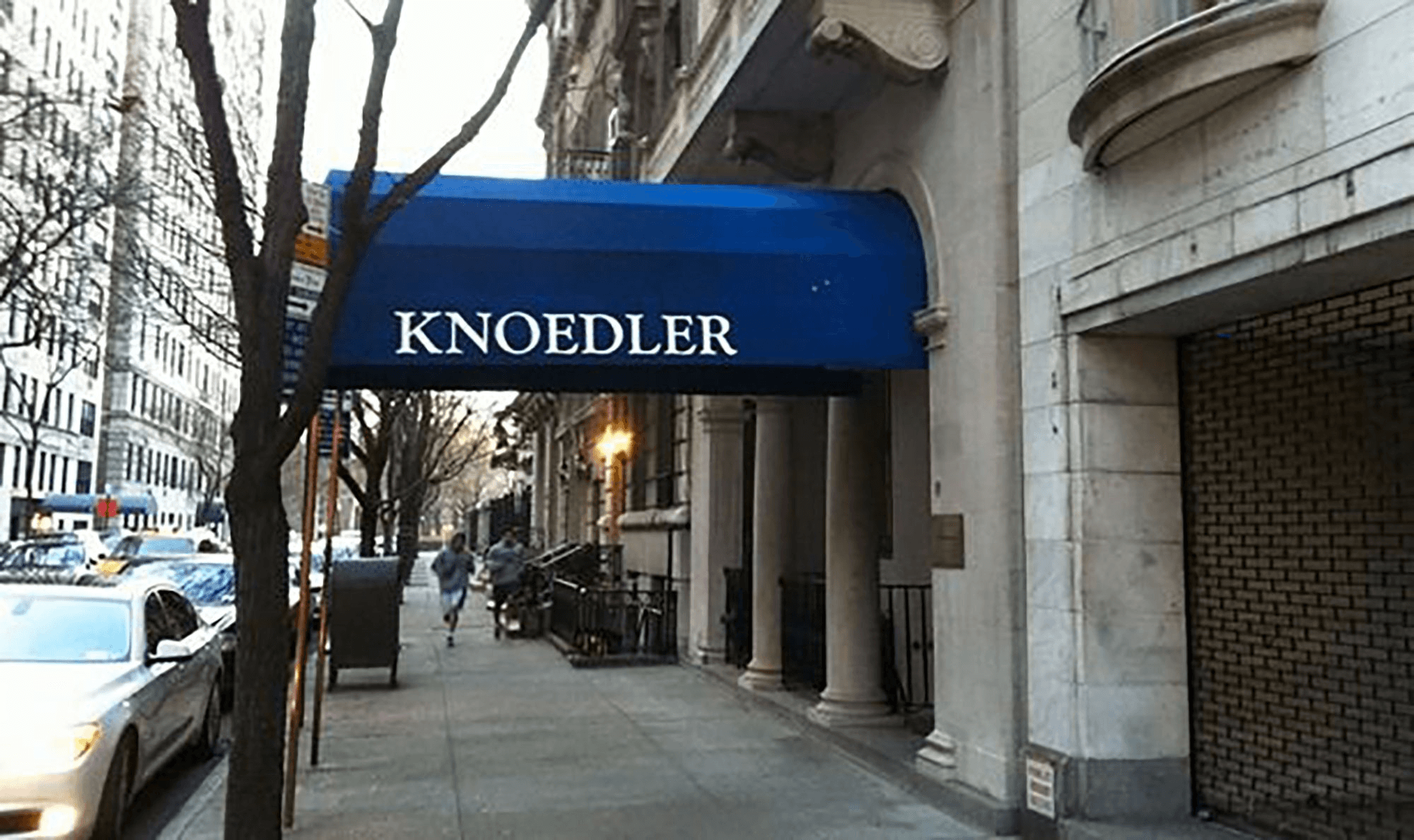
The Knoedler Gallery scandal is an extreme example that perfectly illustrates the importance of provenance in an artwork. A prestigious New York gallery sold forged works attributed to artists such as Rothko, Pollock, and de Kooning. When properly investigated, the pieces were full of unclear previous owners, hard-to-check sources, and records that did not hold up when examined closely.
A Certificate Is Only as Strong as Its Issuer
While obvious, keep in mind that even though a Certificate of Authenticity can be useful, it only really is if it comes from a credible source.
A strong certificate usually comes from the artist, the artist’s estate, a trusted gallery, a publisher, a manufacturer, a recognized expert, or a reputable institution. It clearly identifies the exact object and includes specific details.
While making a list of trustable sources would be beyond the scope of this article, examples include artist estates and galleries such as Gagosian or Pace Gallery, print studios like Gemini G.E.L., watch archives such as Patek Philippe Archives, grading companies like PSA or Beckett, and gemological labs such as GIA.
On the other hand, a weak certificate does the opposite. It may come from an unknown seller, use vague language, lack an image or identifier, or describe the object in a way that could apply to many similar pieces. If we are talking about a valuable collectible, usually it is better to avoid these.
Try to always keep in this mind: a certificate should still make sense years later to a future buyer, insurer, auction house, or specialist. If it cannot do that, it probably isn’t strong enough.
Materials Can Expose the Lie
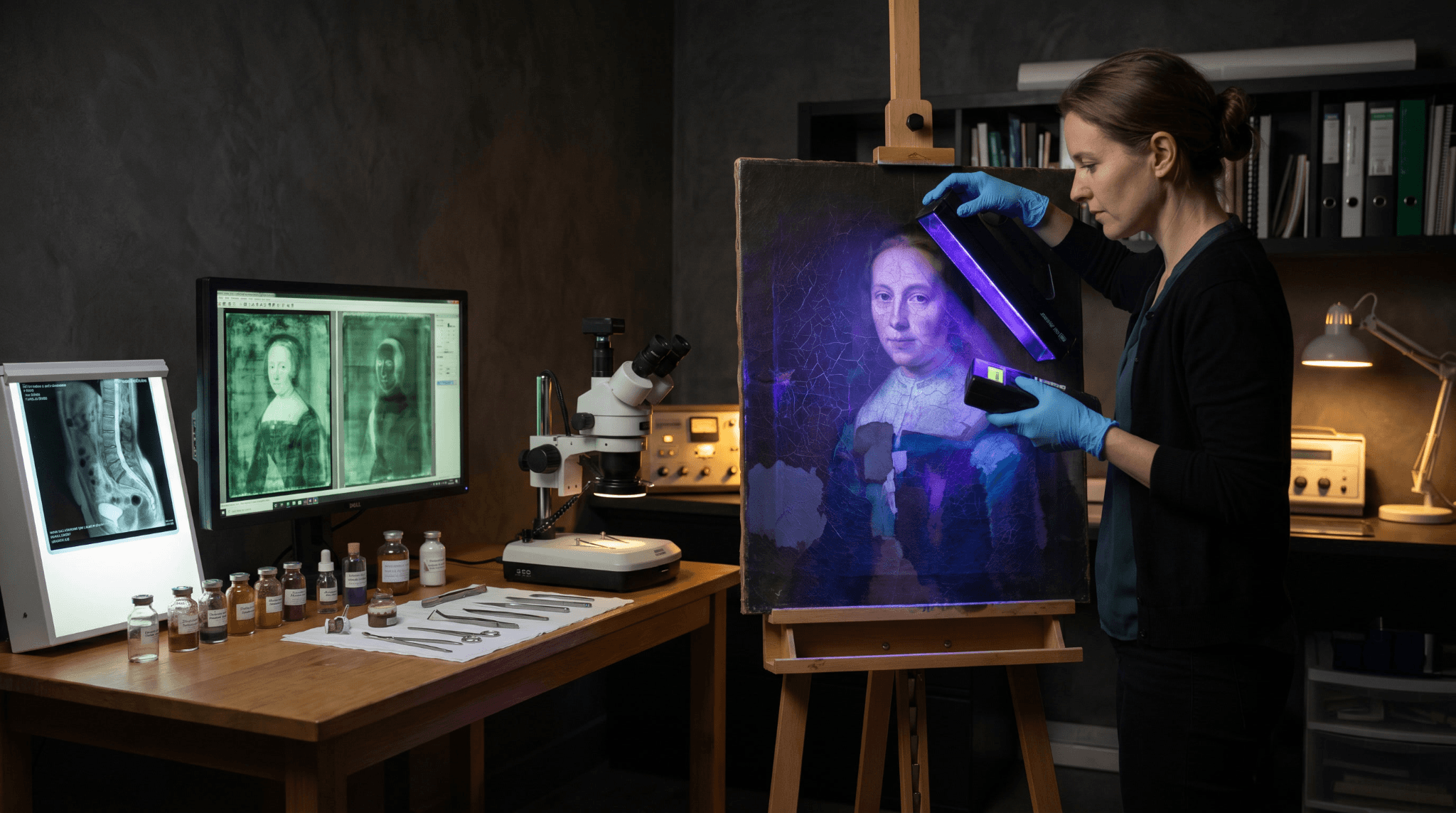
Beyond trustable certificates, something you can do as a first step is to pay attention to the materials used themselves. Sure, visual inspection also matters, but materials often reveal the truth.
A signature can show whether the hand moved naturally or whether someone copied it with hesitation. Pigments can show whether the claimed date is possible. Canvas, paper, wood, metal, or watch components can reveal whether the object fits its supposed period. UV light can expose restoration or overpainting. X-ray and infrared imaging can reveal hidden layers, repairs, or earlier compositions.
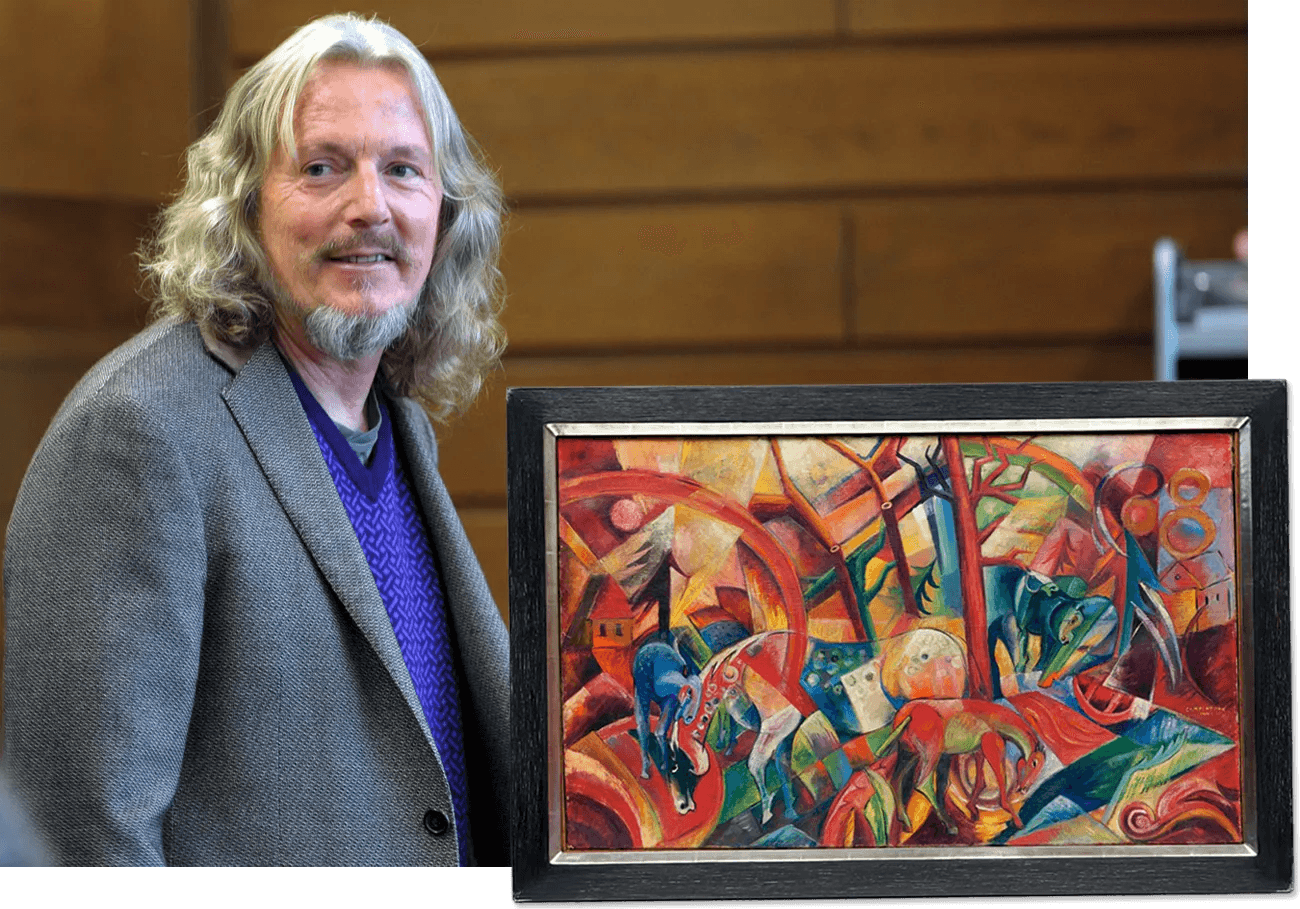
Maybe you are familiar with The Wolfgang Beltracchi case, which is a clear example that illustrates very well the importance of used materials in art pieces. He was one of the most successful art forgers in recent history, but one of his works was exposed because it contained titanium white, a pigment that did not fit the period he was claiming. One small material detail broke the whole story.
Scientific analysis does not always prove who made something. But at least, it can often prove when something could not have been mad
Traditional Records Are Fragile
Paper certificates, invoices, gallery records, and expert opinions still matter. While they are often an essential starting point, we need to keep in mind that they are also fragile and fallible.
A certificate can be lost, a PDF can be copied, an invoice can be separated from the object, a gallery archive can become inaccessible, or the seller might retire. You get the point.
This creates a long-term problem. If the records that support a piece of art or collectible become weaker over time, the item itself might stop growing in value as it should.
Here is where digital certificates and blockchain infrastructure can become especially useful. One of blockchain’s biggest strengths is that records stored on it are extremely difficult to alter retroactively. That makes it well suited for preserving provenance, ownership history, certificates, and transfer records over time, even as an object changes hands across different countries or collectors..
That said, blockchain itself does not magically prove authenticity. If false information is recorded from the start, it remains false. The strength of it is in its immutability, not in its ability to prove something is authentic in the first place.
And then, AI is beginning to introduce another challenge entirely.
When “Perfect Copies” Become Possible
AI is also beginning to challenge something even more fundamental: what we actually mean by “original.”
Until recently, most forgeries still contained limitations. A copied painting might use the wrong pigment, material, or just be off in some other way. Authentication relied heavily on the idea that a fake could eventually be exposed through close examination, because it would be somehow different from the original.
But that assumption may not hold forever.
As generative AI, advanced scanning, and fabrication technologies continue evolving, we are approaching a point where highly accurate physical replicas may become increasingly difficult to distinguish from original objects, potentially even at the material or structural level. In other words, technology is starting to blur the traditional boundary between “copy” and “authentic object.” If there are two identical objects, the only difference between them is their provenance.
Therefore, this shifts the focus of authentication itself. The question is no longer only whether an object looks identical to the original, but whether its history, origin, ownership trail, and documented existence can be independently verified over time.
In a future where replication becomes easier and more convincing, provenance may become even more important than appearance itself.
This is exactly where transparent, traceable, and tamper-resistant record systems become increasingly important. They can make records easier to verify, harder to manipulate, and also be more reliable over time, especially when the object itself changes hands.
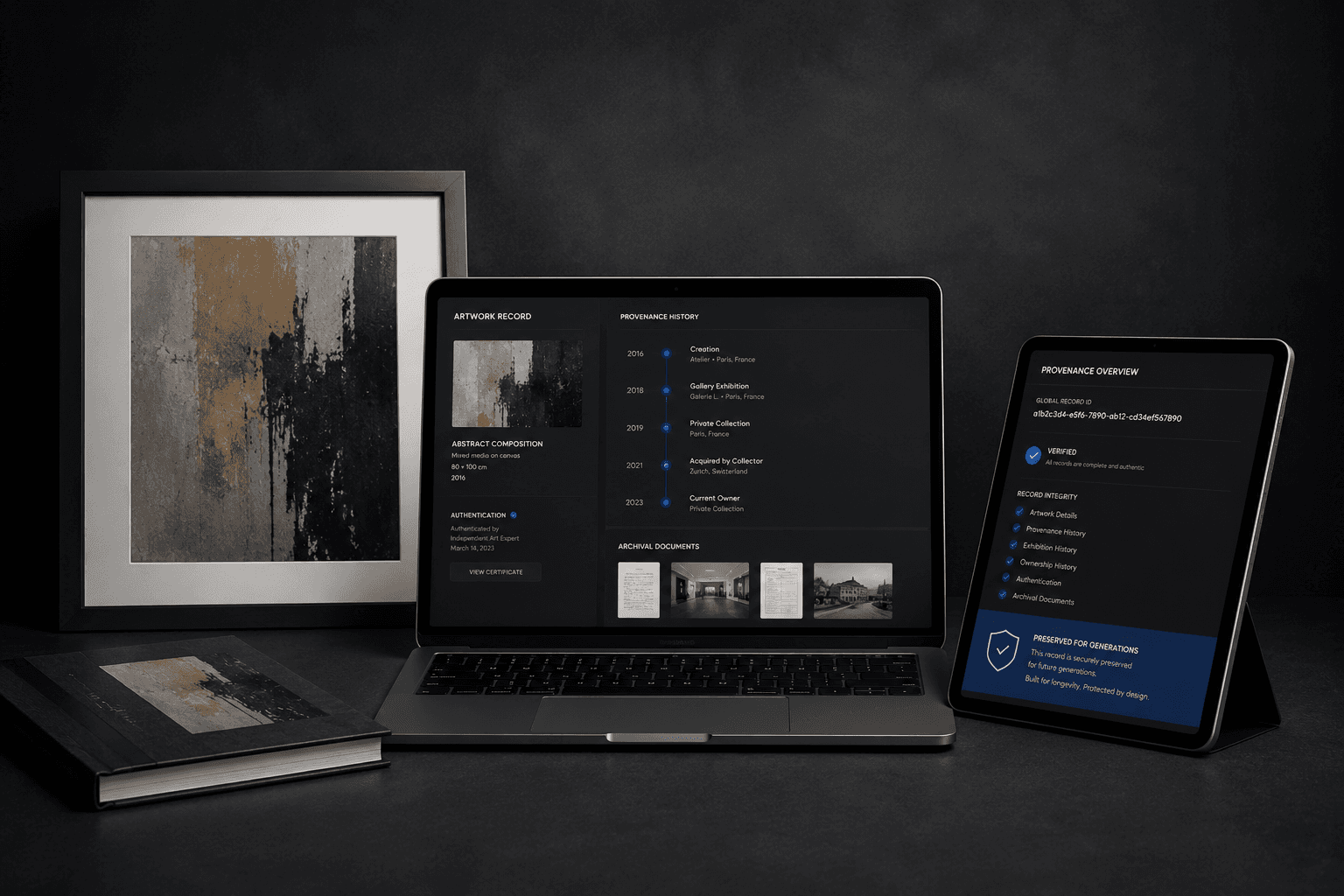
This is the practical role of infrastructure such as Startrail: preserving trusted records of origin, ownership, and provenance over time.
Final Thoughts
At the end of the day, authentication is really about reducing uncertainty.
The more valuable a piece becomes, the more important its records, provenance, and documentation become. A painting, watch, collectible card, or sculpture may survive for decades or even centuries, but if the information around it becomes weak, incomplete, or impossible to verify, trust in the object can slowly disappear too (and so will the value).
So, when possible, let’s not only preserve the object, but also its story.